Essential Tips for Choosing the Right Cycling Gear for Safety
 Justus
Cycling is more than a hobby—it’s a lifestyle that demands the right equipment. Whether you’re a weekend rider or a daily commuter, selecting the right cycling gear can make or break your experience on the road or trail. Here’s what you need to keep in mind before you invest in your next piece of kit.
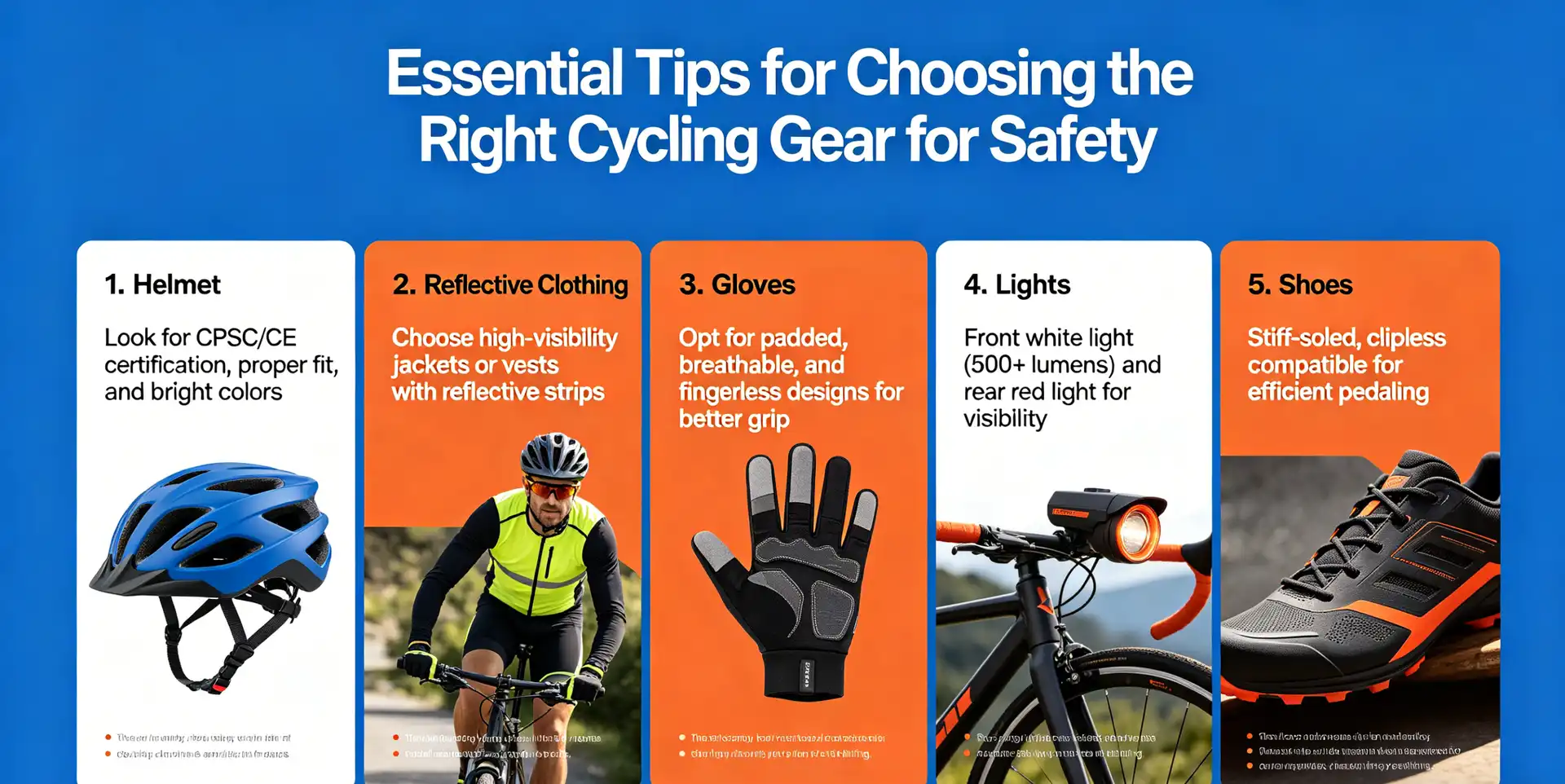
Start with Safety: The Non-Negotiables
Before you think about speed or style, prioritize protection. Your safety gear is the foundation of every ride.
Helmet: The Most Critical Piece
- Fit: It should sit level on your head, snug but not tight, and not move when you shake your head.
- Ventilation: Look for models with ample airflow for hot days.
- Certification: Ensure it meets CPSC or EN 1078 standards.
- Replace after a crash: Even if it looks fine, internal foam can be compromised.
Visibility Gear
- Reflective elements: Jackets, vests, and ankle bands dramatically increase your visibility.
- Lights: A bright front light (at least 200 lumens for urban riding) and a rear red light are mandatory for low-light conditions.
- Bright colors: Avoid dark, all-black kits if you ride near traffic.
Comfort: The Game-Changer for Long Rides
Uncomfortable cycling gear will ruin any ride, no matter how great the route. Focus on these areas:
Padded Shorts
- Chamois quality: Look for multi-density padding that matches your riding style (road vs. mountain).
- Material: Moisture-wicking fabrics prevent chafing.
- Fit: They should be snug with no excess fabric, but not so tight they restrict movement.
Jerseys & Upper Body
- Breathability: Mesh panels or lightweight fabrics keep you cool.
- Pockets: Rear pockets are essential for storing snacks, phone, and tools.
- Length: A slightly longer tail prevents the jersey from riding up when you lean forward.
Gloves
- Padding: Full-finger gloves offer better protection for off-road; padded palms reduce vibration on road rides.
- Grip: Silicone or leather palms prevent slippage when sweaty.
Weather Protection: Be Ready for Anything
Cycling gear must handle changing conditions. Prepare for the unexpected.
Layering System
- Base layer: Moisture-wicking (wool or synthetic) to keep sweat off your skin.
- Mid layer: A lightweight vest or long-sleeve jersey for warmth without bulk.
- Outer layer: A waterproof, breathable jacket for rain. Avoid cheap ponchos—they flap in the wind.
Cold Weather Gear
- Thermal tights: Full-length or leg warmers for early morning rides.
- Shoe covers: Insulated ones keep your feet warm and block wind.
- Neck gaiter: A simple tube can be pulled up as a balaclava on icy days.
Performance and Durability: Invest Wisely
Not all cycling gear is created equal. Consider these factors to get the most value.
Material Quality
- Reinforced stitching: Look for double or triple stitching in high-stress areas (shoulders, seat).
- DWR coating: Durable Water Repellent keeps light rain from soaking through.
- UV protection: Fabrics with UPF 50+ prevent sunburn on long rides.
Fit for Your Discipline
- Road cycling: Aerodynamic, tight-fitting gear reduces drag.
- Mountain biking: Looser cuts with reinforced knees and elbows for falls.
- Commuting: Casual-looking gear with hidden reflectors and plenty of pockets.
Brand vs. Budget
- Test before buying: Visit a local shop to try on helmets and shorts.
- Read reviews: Focus on wear patterns—does the chamois flatten after 50 washes?
- Avoid extremes: Super cheap gear often fails quickly; top-tier brands may be overkill for casual riders.
Essential Accessories: Don’t Forget the Details
Small items can greatly improve your ride.
- Cycling socks: Calf-length and seamless to prevent blisters.
- Eyewear: Polarized lenses reduce glare; clear lenses for low light.
- Hydration pack: A bottle cage or backpack system keeps you hydrated.
- Tool kit: A mini pump, tire levers, and a multi-tool are non-optional.
Final Checklist Before You Buy
Always ask these questions before purchasing any cycling gear:
- Does it fit properly? Not too tight, not too loose.
- Is it suitable for your climate? Consider average temperatures and rainfall.
- Does it meet safety standards? Helmets and lights especially.
- Will it last? Check material and stitching reviews.
- Can you afford to replace it soon? If not, invest in quality now.
Choosing the right cycling gear is a balance of safety, comfort, and practicality. Start with the essentials—helmet, shorts, gloves—then build your wardrobe based on your riding conditions. A little thought upfront saves you from scraped knees, numb hands, and soggy rides. Pedal safe, and enjoy the journey.