Essential Mountain Biking Safety Tips Every Rider Should Know
 Justus
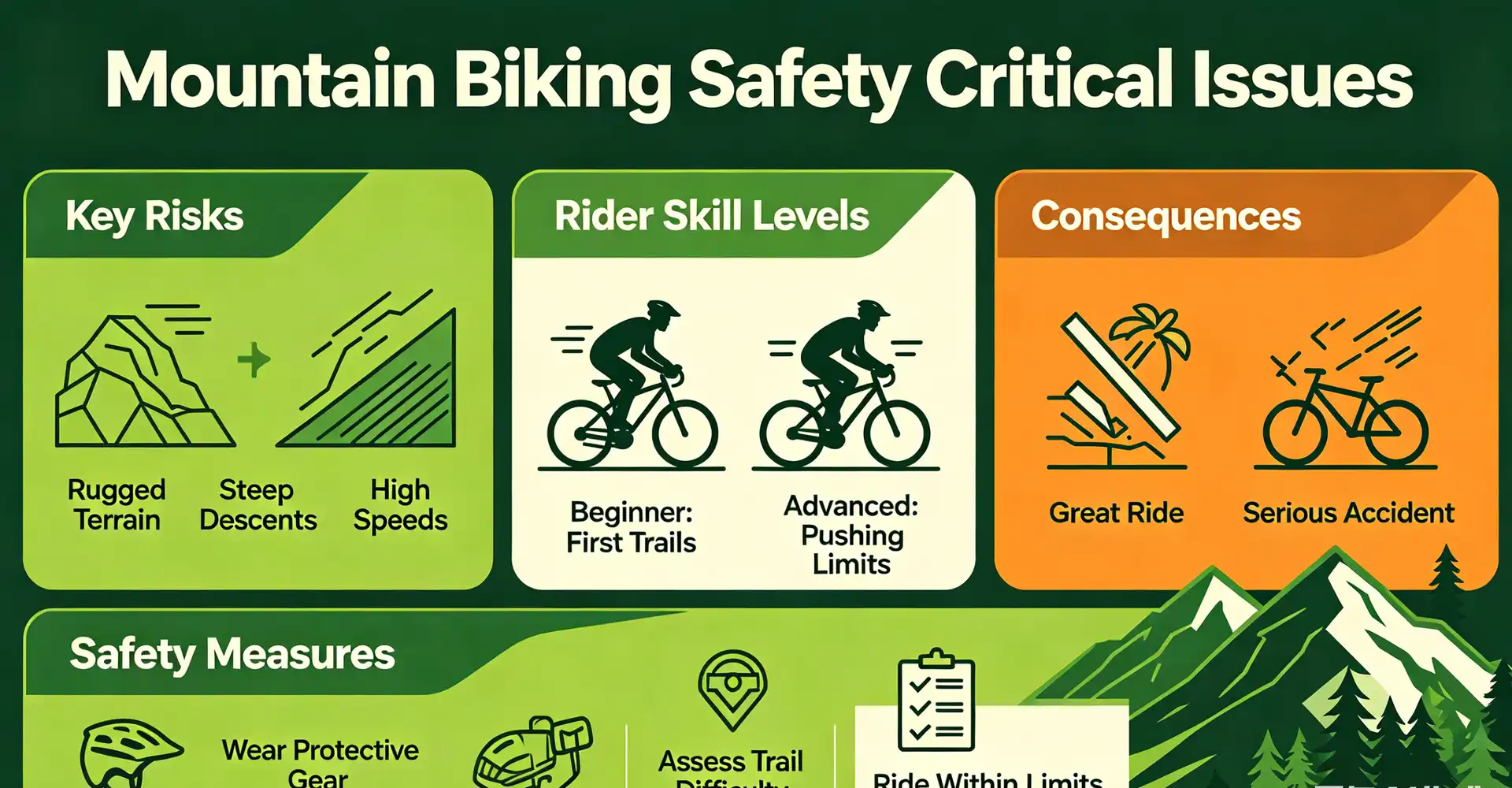
Mountain biking offers an exhilarating blend of adrenaline, fitness, and connection with nature. However, the rugged terrain and high speeds demand respect for safety. Whether you’re a beginner hitting your first trail or a seasoned rider pushing limits, understanding the key risks can make the difference between a great ride and a serious accident. Here are the critical safety issues to pay attention to when mountain biking.
Always Wear the Right Gear
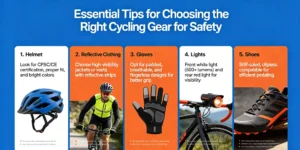
The most fundamental safety step is proper protection. Never skip your helmet—it’s non-negotiable. A full-face helmet is recommended for downhill or technical trails, while a standard mountain bike helmet works for cross-country riding.
Essential gear checklist:
- Helmet (certified, properly fitted)
- Gloves (improve grip and protect hands in falls)
- Knee and elbow pads (especially for rocky or jump-heavy trails)
- Eye protection (sunglasses or goggles to block dust, branches, and debris)
- Closed-toe shoes with good grip (avoid sandals or slick soles)
Know Your Trail and Skill Level
One of the most common mistakes in mountain biking is overestimating your ability. Trails are rated by difficulty: green (easy), blue (intermediate), black (difficult), and double black (expert). Before heading out, research the trail’s length, elevation gain, and technical features.
- Start on easier trails to build confidence and bike handling skills.
- Ride with a buddy when trying new or advanced terrain.
- Walk sections you’re unsure about—there’s no shame in dismounting.
Perform a Pre-Ride Bike Check
Mechanical failures on the trail can lead to sudden crashes. Give your bike a quick inspection before every ride.
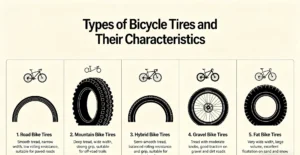
- Tires: Check pressure and look for cuts or punctures.
- Brakes: Test both front and rear brakes for responsiveness.
- Suspension: Ensure it’s set correctly for the terrain.
- Chain and drivetrain: Lubricate and check for wear.
- Quick releases and bolts: Confirm they are tight.
A five-minute check can prevent a catastrophic failure mid-descent.
Stay Aware of Trail Conditions
Weather and time of day dramatically affect safety. Wet roots and rocks become slippery, increasing the chance of losing traction. Loose gravel or sand can cause sudden slides.
- Avoid riding in heavy rain—trails become hazardous and can be damaged.
- Watch for mud puddles—they may hide deep ruts or sharp objects.
- Ride during daylight hours or use strong handlebar lights if riding at dusk or dawn.
Maintain Control at Speed
Speed is thrilling, but it’s also the leading factor in mountain biking injuries. Always ride at a pace where you can react to obstacles like rocks, roots, or unexpected turns.
Tips for safe speed management:
- Shift your weight back when descending steep slopes.
- Keep fingers on brake levers, covering both brakes.
- Use your rear brake more than the front on loose surfaces to avoid flipping.
- Look ahead, not at your front wheel—your bike follows your eyes.
Respect Other Trail Users
Mountain biking often shares trails with hikers, runners, and horseback riders. Conflicts and collisions can cause serious harm.
- Yield to hikers and horses—slow down, announce your presence, and pass safely.
- Communicate clearly: Use a bell or your voice to say “On your left” before passing.
- Ride predictably—don’t swerve or brake suddenly.
Carry a Safety Kit and Know Basic First Aid
Even with precautions, crashes happen. Be prepared for minor injuries and mechanical issues.
What to pack:
- Spare tube, tire levers, and a mini pump
- Multi-tool with chain breaker
- Small first-aid kit (bandages, antiseptic wipes, blister treatment)
- Cell phone or satellite communicator for remote areas
- Extra water and a snack
Know how to treat common trail injuries like scrapes, cuts, and sprains. If you ride alone, share your route and expected return time with someone.
Conclusion
Mountain biking is a rewarding sport that connects you with the outdoors and challenges your body and mind. But the thrill comes with real risks. By wearing proper gear, knowing your abilities, checking your bike, and staying alert to trail conditions, you can enjoy every ride with confidence. Remember: safety isn’t about limiting fun—it’s about ensuring you can keep riding for years to come.
So, gear up, check your bike, and hit the trail prepared. Your future self will thank you.