The Urban Design Shift: How Bicycle Paths Are Transforming City Streets
 Justus
For much of the 20th century, urban planning revolved around a single, dominant vehicle: the automobile. Streets were widened, intersections were expanded, and the idea of a “smooth road” meant one thing—uninterrupted flow for cars. In this automotive-centric model, bicycle lanes vanished. They were seen as obstacles, squeezed into gutters or eliminated entirely to make room for parking and traffic lanes. The result? Cities designed for speed and throughput, not for people.
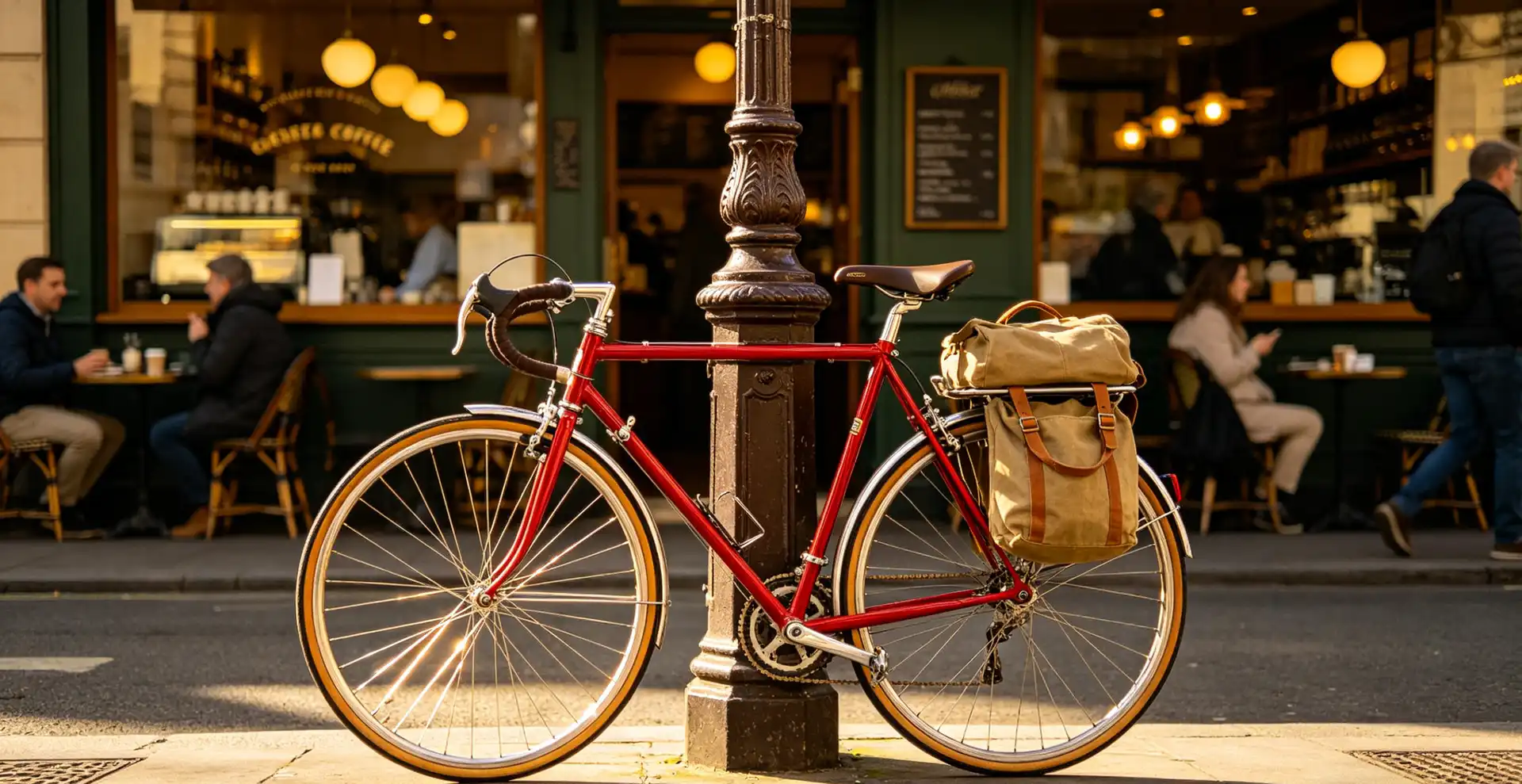
The Design of the Automotive Century
The dominance of the car reshaped entire cities. Urban planners prioritized infinite lane width, assuming that more space for cars would solve congestion. This approach had a predictable side effect: the disappearance of bicycle infrastructure. Cyclists were relegated to sidewalks or forced to compete with fast-moving traffic, often at great personal risk. The street became a place to pass through, not a place to linger.
The consequences were measurable. Air quality suffered, traffic accidents rose, and public life receded into private cars and buildings. The human scale of the city was lost.
The Nordic-Led “Slow Transportation” Revolution
Beginning in the 1970s, a quiet revolution started in Northern Europe. Cities like Copenhagen and Amsterdam began to challenge the car-first model. Instead of prioritizing speed, they focused on slow transportation—walking, cycling, and public transit.
Design Strategies from Copenhagen and Amsterdam
What made these cities bike-friendly wasn’t just paint on asphalt. They implemented systemic changes:
- Segregated cycle tracks: Physically separated from car traffic and pedestrian sidewalks.
- Green waves: Traffic lights timed for cyclists at 20 km/h, not cars.
- Priority intersections: Bike paths continue through intersections, while car lanes yield.
- Bicycle parking hubs: Dense, secure parking at train stations and central squares.
- Bicycle superhighways: Wide, dedicated routes connecting suburbs to city centers.
These strategies transformed Copenhagen and Amsterdam into global benchmarks. Today, over 50% of commuters in Copenhagen cycle to work or school. The result? Safer streets, cleaner air, and more vibrant public spaces.
The Outbreak and Controversy of Shared Bicycles in China
In the early 21st century, China experienced its own cycling revolution—but this one was driven by technology and entrepreneurship. The outbreak of dockless shared bicycles was explosive. Companies like Mobike and Ofo flooded Chinese cities with millions of brightly colored bikes. For a time, it seemed the bicycle was making a triumphant return.
The Controversy
However, the rapid expansion brought significant problems:
- Oversupply: Bikes clogged sidewalks, parks, and public squares.
- Vandalism and theft: Poor management led to abandoned “bike graveyards.”
- Regulatory vacuum: Cities initially struggled to create rules for parking and fleet size.
The Shift Toward Urban Management
Over time, Chinese municipalities responded with a more structured approach. They introduced:
- Digital parking zones: GPS-based “no-parking” areas and mandatory drop-off zones.
- Fleet caps: Limits on the total number of bikes per city.
- Credit systems: Penalties for users who parked improperly.
Shared bicycles did not disappear—they evolved. They became a complement to public transit, particularly for the last mile problem. The lessons from this era are now being applied globally, from Singapore to Berlin.
From Visual to Lived: How Bicycle Lanes Affect Street Life
Beyond utility, bicycle paths reshape the visual quality of streets. A street dominated by parked cars feels empty, static, and intimidating. In contrast, a street with dedicated bicycle lanes feels active, safe, and dynamic.
Visual Impact of Bike Lanes
- Color and texture: Bright green or red bike lanes create visual markers that break up the monotony of asphalt.
- Human scale: Cyclists move at a speed that allows eye contact and interaction with pedestrians.
- Reduced clutter: Fewer parked cars mean more space for trees, benches, and public art.
Studies have shown that adding bicycle infrastructure increases foot traffic to local businesses by 20–40%. People walk more, stop longer, and spend more when streets are designed for multiple speeds.
The Path Forward
The shift from “smooth road” to “livable street” is not just about painting lines. It represents a fundamental change in priorities—from moving cars to moving people. The bicycle is no longer a toy or a niche interest. It is a serious tool for urban planning, public health, and climate action.
As cities worldwide continue to invest in bicycle infrastructure, they are not just adding lanes. They are redesigning the very fabric of urban life. The goal is no longer a smooth road, but a smooth path for everyone.
This post was written to explore how bicycle infrastructure has evolved from an afterthought to a core element of urban design—and why that change matters for the future of our cities.