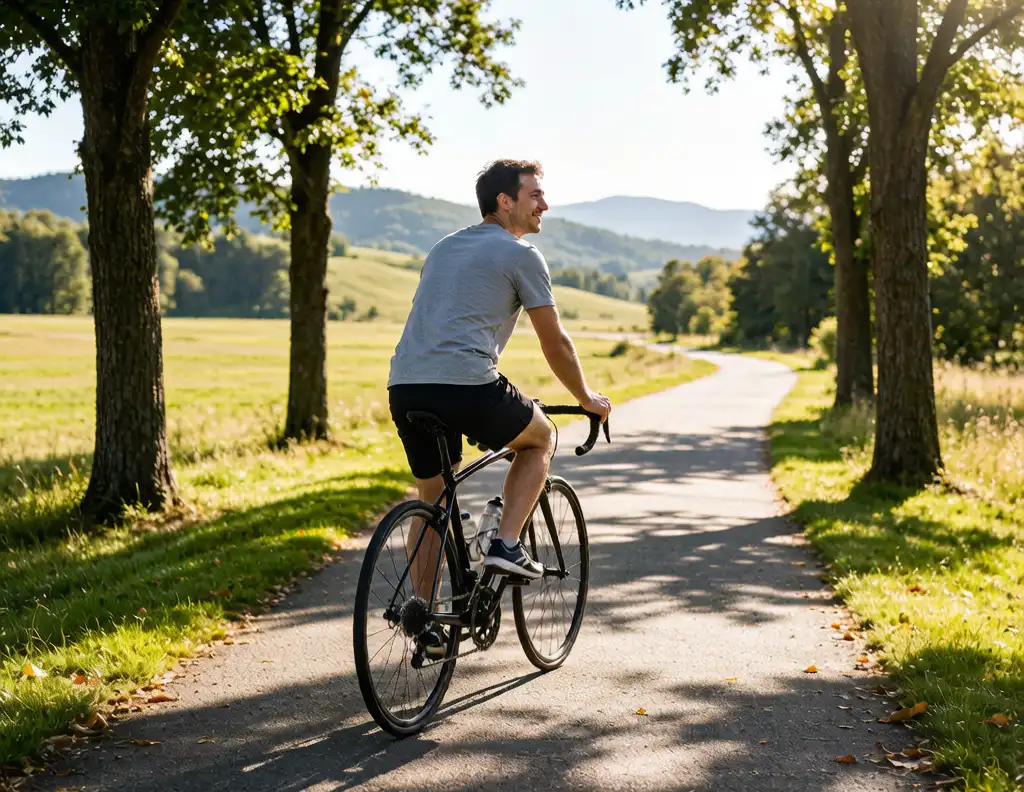
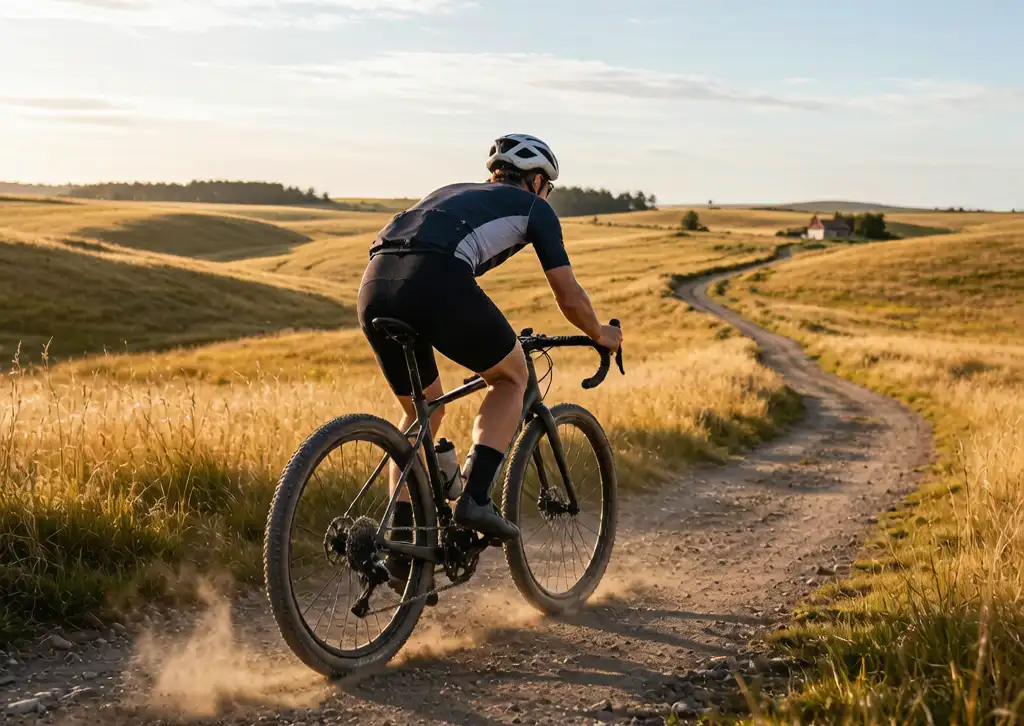
It is the height of summer. The trails are dry, the days are long, and the asphalt is warm beneath the tires. Yet, for the discerning cyclist, the mind inevitably begins to wander toward the colder months ahead. While I am currently enjoying the effortless grace of my stock, first-generation Specialized Turbo Vado SL 5.0 EQ, I know that the transition from summer sunshine to the biting cold of autumn and the treacherous grip of winter ice is not a seamless one. It requires foresight, preparation, and a strategic approach to component upgrades.
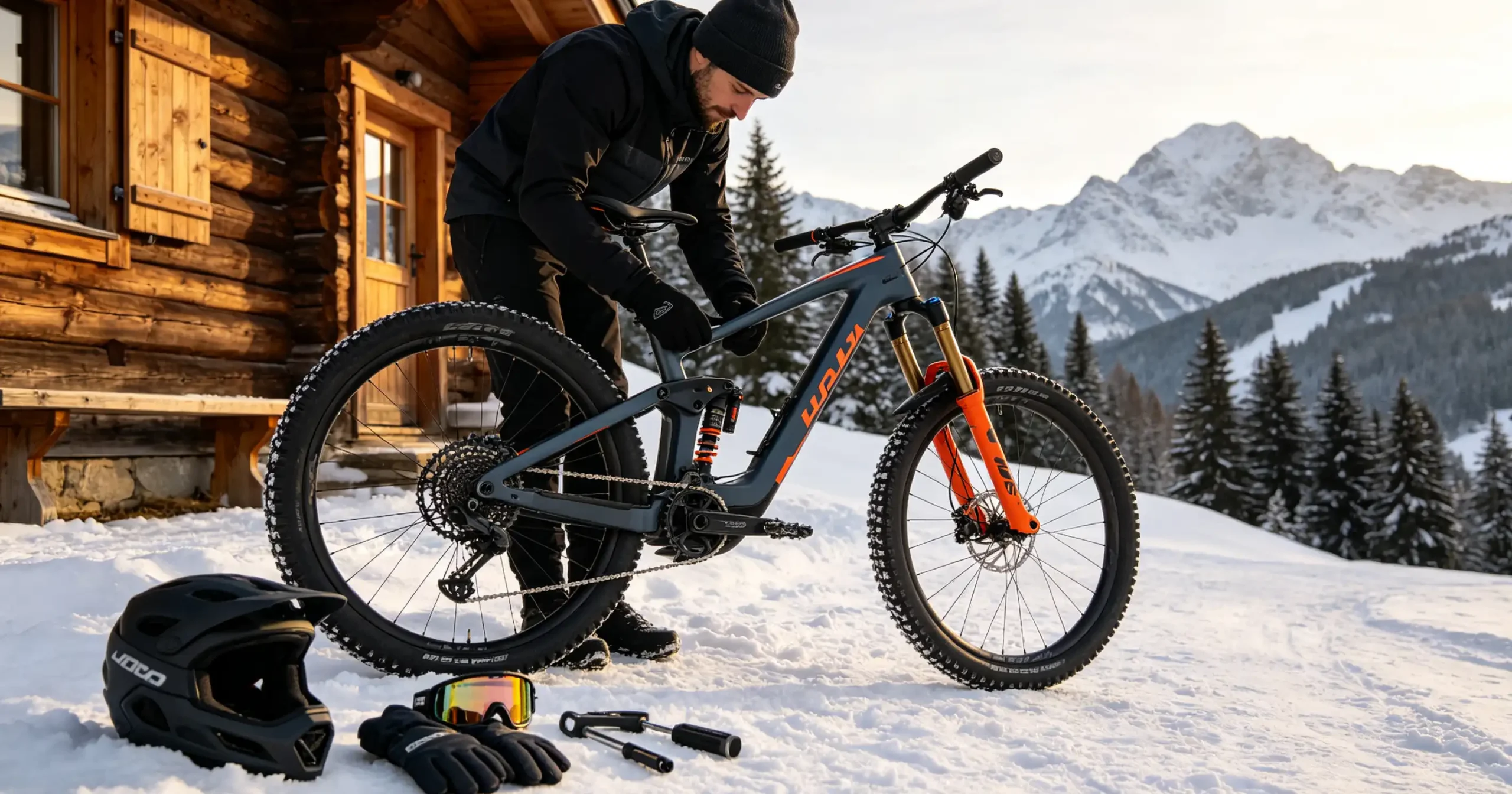
I have been riding the Vado SL completely stock since I purchased it, and it has been a revelation. Its lightweight construction, combined with the smooth power delivery of the SL motor, makes it an exceptional commuter and recreational bike. However, my ambitions extend beyond the city limits. I am planning to take this machine into the mountains where conditions can change in an instant—where a crisp fall morning can quickly descend into a snowy squall, and where patches of black ice lurk in the shadows of the peaks. So, the question is no longer if I should upgrade my bike, but how.
I have already done a cursory glance at the market and the forums, and the two most common pieces of advice seem to be swapping the tires and upgrading the brake pads. But is that really enough to ensure safety and performance in the high alpine? As a recreational rider with a reasonable budget for premium gear, I am looking for a holistic approach to winterization. Here is my deep-dive plan for upgrading the Vado SL 5.0 EQ for the snowy, icy slopes.
The Foundation of Winter Riding: Rubber Meets the Road (and Ice)
It is undeniable that the most significant “quick win” for any winter cyclist is the tire upgrade. My Vado currently sports the stock, slick-ish tires designed for low rolling resistance on pavement. These are phenomenal for summer efficiency and extending battery range, but they are a death wish on snow. The tread pattern is simply too shallow to bite into the slush, and the rubber compound hardens in the cold, losing grip.
For my mountain escapades, I am looking at the absolute top-tier in winter cycling tires. Specifically, I am eyeing the Schwalbe Marathon Winter Plus or the 45NRTH Gravdal. These are not just tires with knobby treads; they feature carbide studs embedded in the rubber. These studs are designed to dig into ice, providing lateral grip that is essential for cornering, and longitudinal grip for braking. I need to check the fender clearance on the EQ model, but I am hoping to fit a tire size of at least 700x38c or possibly even 42c. The slightly larger volume will also allow me to run lower tire pressures, increasing the contact patch and significantly improving traction in loose, deep snow. This is an investment in safety that cannot be overstated; it is the difference between riding confidently and sliding across the tarmac.
Stopping Power: The Critical Need for Cold-Weather Braking
Upgrading the tires is only half the battle. Having the grip to move forward is useless if you cannot stop. I have noted that many users recommend replacing the brake pads, and I believe this is a necessity rather than a luxury. The standard resin pads that come stock are excellent for dry, clean conditions. However, in the wet, gritty, and salty environment of winter mountain roads, they wear down like pencils and lose effectiveness significantly.
I am planning to upgrade to a set of high-performance sintered (metallic) brake pads. Sintered pads are composed of metallic particles fused under high heat and pressure. They offer superior stopping power in wet and muddy conditions, and they are far more durable against the abrasive grit of winter road grime. However, there is a catch: sintered pads can be noisy and they wear down rotors faster. Therefore, I will likely pair these with a set of Shimano Ice-Tech rotors, which use a layered aluminum and steel construction with a heat-dissipating core. This combination will ensure that I have consistent, fade-free stopping power even after a long, steep descent where the brakes are constantly engaged. The stock brake rotors may not be able to handle the heat generated by aggressive riding with metallic pads, so this is a crucial systems upgrade.
Beyond the Basics: Drivetrain and Maintenance in the Muck
While tires and brakes are the primary safety concerns, the drivetrain suffers the most in winter conditions. Road salt, sand, and liquid water are the enemies of a clean chain and smooth-shifting gears. My Vado SL has a premium drivetrain, and I intend to keep it that way.
My first step is to switch to a “wet” chain lubricant. During the summer, I use a light, dry lube to avoid attracting dust. In the winter, I will need a heavy, wet lube that stays viscous in the cold and repels water. I am considering options like the Muc-Off Wet Lube or the RockShox Suspension Oil solutions, but I will likely opt for a purpose-built winter lube like Squirt or Boeshield T-9.
Furthermore, I have invested in a fender extender or a “mud guard” for the front fork and the rear seat stay. While the EQ model comes with full fenders, the standard length often leaves a gap that allows spray to hit the bottom bracket and the rear derailleur. A simple plastic extender can save the shock and the suspension pivot bearings from the corrosive onslaught of saltwater.
Electronics and Battery Performance
As an e-bike owner, I have to consider the battery. Cold weather is the natural enemy of lithium-ion cells. The battery capacity will drop significantly in freezing temperatures, and charging a cold battery can permanently damage the cells. My strategy is to bring the battery inside and allow it to warm up to room temperature before charging. Additionally, I plan to wrap the downtube battery cover in a neoprene sleeve during the ride. While this won’t keep the battery “warm,” it will insulate it from the wind chill and allow the internal heat generated during discharge to maintain a more stable temperature, which helps maintain voltage output.
Lights and Visibility: The Winter Cloak
Finally, winter in the mountains means short days. Even if I plan a mid-day ride, the light can be flat and the clouds heavy. The stock “E-bike” headlight is good for being seen, but it is not sufficient to see by on a winding mountain descent. I am upgrading to a high-lumen lighting system, such as the Lezyne Macro Drive or a Supernova M99, which I will mount on the handlebars. Redundancy is key, so I will also run a high-powered rear light with a daylight flash pattern to ensure I am as visible as a Christmas tree to any cars navigating the hairpin turns.
Rider Apparel and the “Human” Component
No amount of bike upgrades will help if the rider is frozen stiff. I’ve already started looking at winter cycling boots from Lake or 45NRTH that allow for the use of SPD pedals without sacrificing toe warmth. I will also adopt the “layering system” for my torso—a merino wool base layer, a windproof jersey, and an insulated shell—to regulate sweat and prevent hypothermia.
Conclusion
Preparing my Vado SL 5.0 EQ for winter mountain riding is not just about slapping on a set of studded tires. It is a comprehensive system upgrade that includes tire technology, braking compounds, drivetrain protection, and electronic management. Yes, the tires are the biggest quick win. Yes, the brake pads need changing. But for me, it is about ensuring that the bike remains reliable, safe, and fun to ride, even when the mercury drops and the snow starts to fall. I am looking forward to the challenge of the winter landscape, and with these modifications, I am confident my Vado will be just as capable in the snow as it is in the sun.