Cycling Culture: How to Enjoy Communication on the Road
 Justus
Cycling is more than just a mode of transportation or a workout—it’s a vibrant social experience. At the heart of this lies cycling culture, a rich tapestry of gestures, signals, and shared moments that connect riders on the road. Whether you’re a weekend warrior or a daily commuter, learning to communicate effectively while cycling can transform your rides from solitary treks into community-bonding adventures.
Why Communication Matters in Cycling Culture
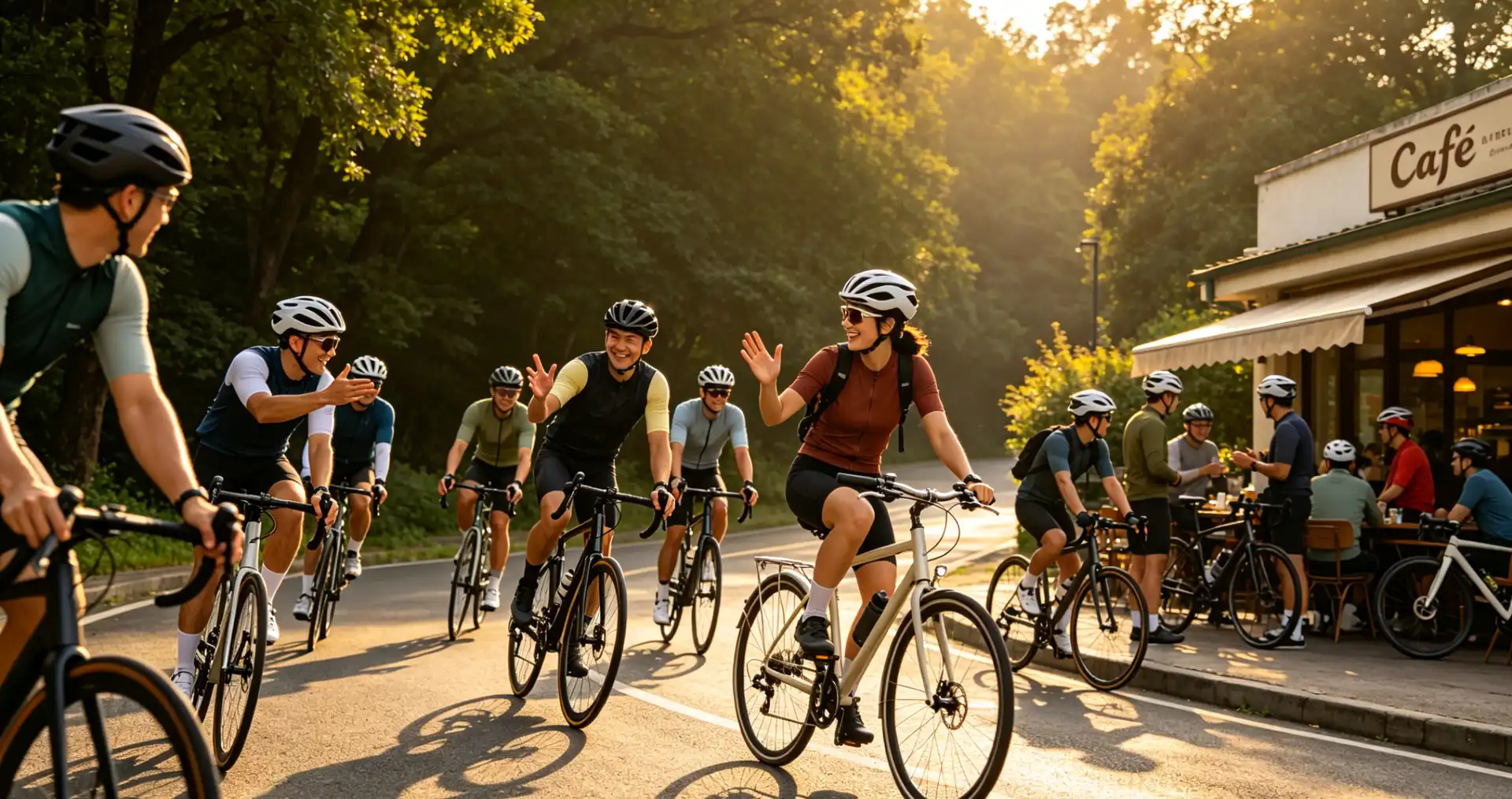
When you’re on two wheels, safety and enjoyment go hand in hand. Communicating with fellow cyclists isn’t just about avoiding collisions; it’s about building trust and camaraderie. In cycling culture, a simple nod or hand signal can say “thank you,” “watch out,” or “nice day for a ride.” These small acts create a sense of belonging, whether you’re riding with a club or passing a stranger on a scenic path.
The Basics: Non-Verbal Signals
Cycling often requires silent communication, especially when wind or traffic noise drowns out voices. Mastering these basics helps you integrate into cycling culture seamlessly:
- Hand signals: Pointing left or right to indicate turns, or putting a hand behind your back to signal hazards.
- Nods and waves: A quick nod is a universal greeting among cyclists. A wave or thumbs-up shows appreciation for a shared moment.
- Eye contact: Making eye contact with other riders or drivers reinforces trust and intent.
These gestures are the building blocks of cycling culture—they’re taught in group rides and respected on solo journeys.
Building Connections on Group Rides
Group rides are where cycling culture truly shines. They’re opportunities to communicate beyond signals—through pacing, conversation, and shared effort. Here’s how to make the most of them:
Joining a Ride
- Introduce yourself: A friendly “Hey, mind if I join?” breaks the ice and shows you respect the group’s dynamic.
- Understand the pace: Groups often use subtle cues—like slowing down or accelerating—to communicate. Follow the lead rider’s rhythm.
- Offer help: If someone has a mechanical issue, stopping to assist builds lasting bonds.
During the Ride
- Call out hazards: Shout “Car back!” or “Glass!” in a clear, calm voice. This keeps everyone safe and reinforces collective responsibility.
- Rotate smoothly: In pacelines, communicate when you’re pulling off with a gentle hand flick or a verbal “clear.”
- Share stories: On easier sections, chat about routes, gear, or past rides. This turns a workout into a shared experience.
Etiquette That Defines Cycling Culture
Good manners are the backbone of cycling culture. They prevent misunderstandings and ensure everyone feels welcomed:
- Announce your intentions: Before passing, say “On your left” or ring a bell. Startled riders are less likely to enjoy the ride.
- Respect space: Don’t overlap wheels or follow too closely. A few feet of distance shows you value the other rider’s safety.
- Thank others: A wave or “thanks” for letting you merge or for pointing out a hazard goes a long way.
- Apologize for mistakes: If you accidentally cut someone off, a raised hand or “sorry” quickly diffuses tension.
How to Start Conversations on the Trail
Not all communication happens during fast-paced rides. Solo riders often encounter others at rest stops, trailheads, or traffic lights. Here’s how to engage in the cycling culture dialogue:
- Compliment their bike: “Nice setup—what saddle is that?” is an easy opener.
- Ask about their route: “Where are you headed?” invites stories about local trails.
- Share local knowledge: Mention a hidden coffee shop or a smooth road—it shows you’re invested in the community.
These small interactions can lead to ride buddies, recommendations, or simply a brighter day.
The Role of Technology in Modern Cycling Culture
While traditional signals remain, technology now shapes how cyclists communicate:
- Ride tracking apps: Share your route or join virtual groups to meet local cyclists.
- Cycling forums: Platforms like Strava or Reddit’s cycling communities let you ask for tips, plan events, or discuss etiquette.
- Bike lights and bells: A flashing rear light communicates your presence in traffic; a bell offers a friendly warning on shared paths.
Technology complements rather than replaces face-to-face communication, keeping cycling culture both modern and human.
Overcoming Communication Barriers
Not every interaction goes smoothly, especially across different skill levels or languages. To keep the culture inclusive:
- Be patient: New cyclists might not know hand signals. A smile or verbal instruction helps.
- Use universal gestures: A thumbs-up means “okay” worldwide. Keep signals simple.
- Translate when needed: In diverse areas, a few key phrases in local languages—like “attention” or “thank you”—show respect.
Final Ride: Embrace the Connection
Cycling culture is built on communication—every signal, every conversation, every shared laugh on the tarmac. By practicing these habits, you don’t just ride; you participate in a global community that values connection over competition. Next time you saddle up, remember: your words and gestures are the bridge between strangers and friends. So wave, call out, and listen—the road is waiting to talk back.
Enjoy the journey, and let the culture carry you.