Essential Safety Precautions for Mountain Biking
Mountain biking is an exhilarating sport that combines physical endurance with the thrill of navigating rugged terrain. However, the very nature of off-road cycling comes with inherent risks. Whether you’re a seasoned rider or a newcomer to the trails, adopting a safety-first mindset is crucial. Here are some essential precautions to ensure your next ride is both fun and safe.
Always Wear a Properly Fitted Helmet
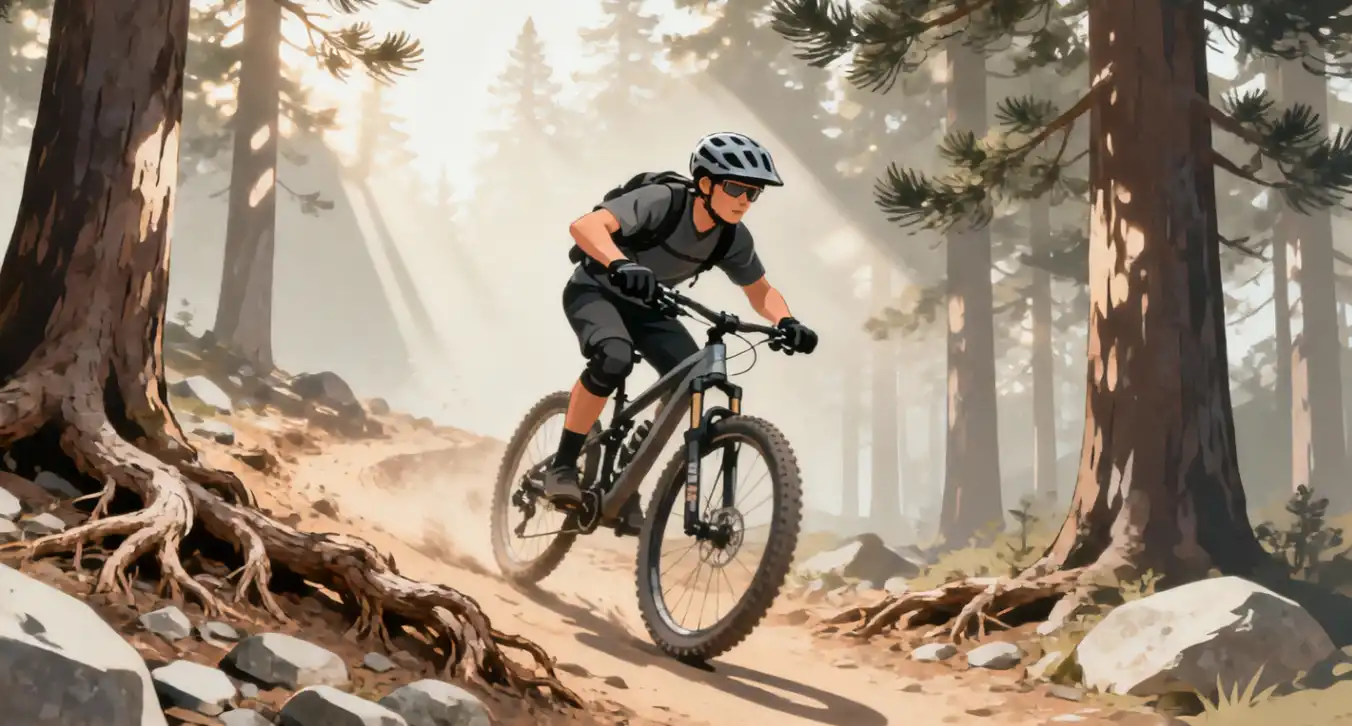
This is non-negotiable. A full-face or trail-specific mountain biking helmet is your most important piece of safety gear. Ensure it fits snugly—level on your head, with the front edge one inch above your eyebrows—and is certified by CPSC or ASTM standards. A poorly fitted helmet can shift during a fall, reducing its effectiveness.
Perform a Pre-Ride Bike Check (ABCD)
Your bike is your lifeline on the trail. Spend five minutes checking these critical components before every ride:
- Air: Check tire pressure. Too low can cause pinch flats; too high reduces traction.
- Brakes: Squeeze both levers. They should engage firmly without hitting the handlebars.
- Chain: Ensure it’s clean, lubricated, and not overly worn. A snapped chain mid-descent can be dangerous.
- Drop Test: Lift the bike a few inches and drop it. Listen for rattles or loose parts like handlebars or suspension bolts.
Dress for the Trail, Not the Weather
Ill-fitting or inappropriate clothing can lead to injury. Wear padded shorts and a moisture-wicking jersey. Mountain biking specific gloves protect your hands in a fall and improve grip. Avoid baggy pants that can catch on pedals or branches. Always wear closed-toe shoes with stiff soles, like flat-pedal or clip-in riding shoes.
Control Your Speed on Descents
It’s easy to get caught up in the rush of a high-speed downhill. However, many mountain biking accidents involve losing control at excessive speed. Always ride at a pace where you can stop within the distance you can see to be clear. Use proper braking technique: apply both brakes evenly, favoring the rear brake on loose terrain. If you feel the front wheel start to slide, release the front brake slightly.
Master Basic Body Positioning
Your body position is your suspension and your balance. Keep your elbows and knees slightly bent to absorb bumps. On descents, shift your weight back behind the saddle, keeping your pedals level. On climbs, lean forward to keep the front wheel from lifting. Practice these movements in a safe, grassy area before hitting technical singletrack.
Carry Essential Tools and a First-Aid Kit
Trail-side emergencies are part of the sport. Always pack:
- Multi-tool with hex wrenches and a chain breaker
- Spare tube and tire levers
- Mini pump or CO2 inflator
- First-aid kit: Bandages, antiseptic wipes, pain reliever, and a tourniquet if you’re riding remote areas
- Phone or GPS device: Preload trail maps and carry a power bank
Stay Hydrated and Fueled
Dehydration and low blood sugar impair judgment and coordination. Drink water or an electrolyte solution every 15–20 minutes, even if you don’t feel thirsty. Carry a hydration pack or water bottles. Snack on easily digestible foods like energy bars or bananas during longer rides. Heat exhaustion and cramps are avoidable with proper fueling.
Ride Within Your Ability Level
It’s tempting to follow an experienced friend down a black diamond trail, but doing so before you’re ready can lead to serious injury. Start on easier trails to build skills and confidence. Recognize when a trail is beyond your current level—there is no shame in walking through a section. Mountain biking is about progression, not ego.
Understand Trail Etiquette and Blind Corners
Blind turns, where you cannot see approaching riders or hikers, are common sources of crashes. On blind corners, slow down and ride predictably. Yield to uphill riders and hikers. Announce your presence with a friendly “On your left” or a bell when approaching others. Mutual respect prevents collisions.
Ride with a Buddy
Solo riding can be wonderful for focus, but it multiplies risk. If you must ride alone, tell someone your exact route and expected return time. Ride with at least one other person whenever possible. A partner can help if you crash, get lost, or have a mechanical failure. Group riding also increases visibility to others on the trail.
Final Thoughts
Mountain biking offers an unmatched connection to nature and a heart-pumping workout. By taking these safety precautions seriously, you can significantly reduce your chance of injury while maximizing enjoyment. Prepare your body, pack your gear, and respect the trail. Ride smart, ride safe, and keep pedaling.