Conquer 100 Miles: Road Cycling Training, Mindset & Gear Tips
 Justus
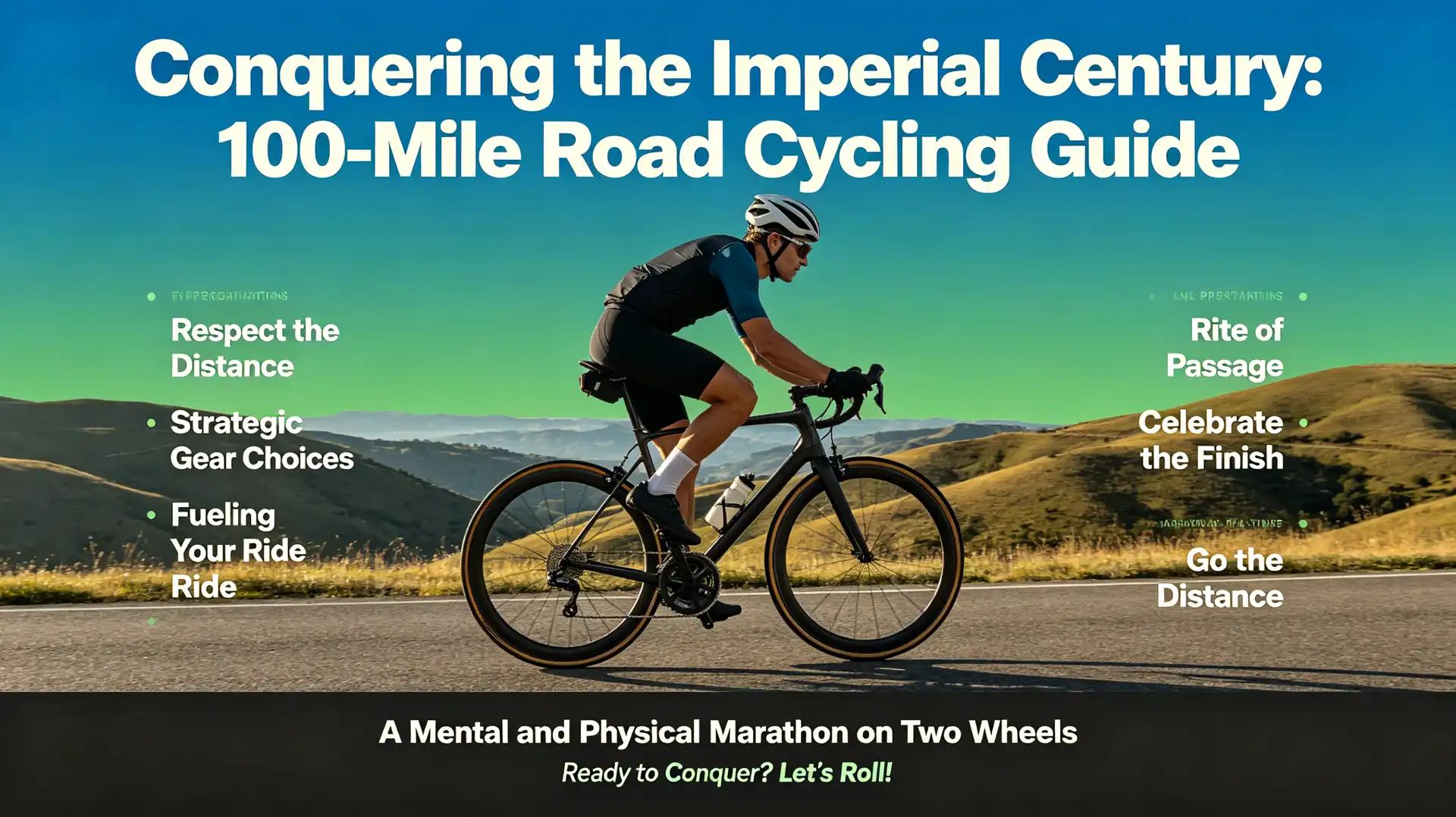
So, you’ve already nailed a metric century (100 kilometers, or about 62 miles). You’ve felt the burn, celebrated the finish, and now you’re eyeing the big one: the imperial century. A 100-mile road cycling ride is a true rite of passage. It’s not just a longer ride; it’s a mental and physical marathon on two wheels. It demands respect, preparation, and a few strategic choices. Ready to go the distance? Here’s your guide to conquering those triple-digit miles.
The Blueprint: Structured Training for the Distance
You can’t just show up on ride day. The key to finishing strong is a gradual, consistent buildup over several weeks. Crash training will only lead to burnout or injury.
Build Your Base Mileage Slowly
Start 8 to 12 weeks out. Increase your total weekly road cycling mileage by no more than 10% each week. This gives your joints, muscles, and cardiovascular system time to adapt.
- Week 1: Ride three times per week for a total of 60-70 miles.
- Mid-Training: Build to a weekly volume of 150-200 miles.
- The 75-Mile Test: About two weeks before the main event complete a “dress rehearsal” ride of 70-75 miles. This is your final confidence builder.
Mix in Two Key Workout Types
Simply riding the same pace will leave you underprepared. Blend these sessions into your week:
- The Long, Slow Endurance Ride: This is your weekend staple. Ride at a pace where you can hold a conversation. Focus on spending 3-5 hours in the saddle to teach your body to burn fat efficiently.
- Tempo Intervals: Once a week, ride at a “comfortably hard” pace (your threshold effort) for 10-20 minutes at a time, with equal rest in between. This builds your sustainable power and prepares you for rolling hills.
The Game Plan: Nutrition and Hydration Strategies
On a 100-mile ride, your body is a furnace. You must consistently feed the fire. Waiting until you are hungry or thirsty is a recipe for the dreaded “bonk” (complete energy failure).
The Golden Rules of Fueling
- Eat early and often: Start eating a small snack (a half a bar or a gel) within the first 45 minutes. Then, consume 60-90 grams of carbohydrates per hour. This is non-negotiable.
- Hydrate with purpose: Drink one 20-24 oz bottle of water or electrolyte mix per hour. For very hot days, you may need two.
- Real food works: Don’t rely solely on gels. Pack a peanut butter and honey sandwich, a banana, or a few fig bars. Your stomach will thank you after hour five.
The Mindset Shift: Chunking and Acceptance
The physical training gets you to the start line. Your mindset gets you to the finish. A 100-mile road cycling event is as much a psychological challenge as a physical one.
Break the Monster into Miles
Do not think about 100 miles. It’s overwhelming.
- Chunk 1 (Miles 0-30): The warm-up. Ride relaxed, chat, and settle into your rhythm.
- Chunk 2 (Miles 30-70): The work zone. Focus on your nutrition, stay aero, and conserve energy.
- Chunk 3 (Miles 70-90): The gray zone. This is where doubt creeps in. Accept it. Tell yourself, “This is normal. This is the hard part.”
- Chunk 4 (Miles 90-100): The victory lap. Use the adrenaline of the final ten miles. Draw energy from the crowd, the scenery, or the thought of the finish line.
Prepare for the Lows
There will be a moment—often around mile 75—where everything hurts and you want to stop. Have a mental checklist ready:
- Shift down: Take the pressure off your legs.
- Recite a mantra: “One mile at a time,” or “I’ve trained for this.”
- Give yourself a tiny goal: “Make it to the next aid station,” or “Get to that brown barn.” Once you get there, set a new goal.
Your Kit: Essential Gear for 100 Miles
Comfort is speed on a century. Small discomforts become major problems over ten hours. Don’t compromise on your gear.
The Non-Negotiables
- Bibs, not shorts: A quality pair of road cycling bib shorts with a high-density chamois is critical. It prevents chafing and supports your sit bones.
- Two water bottle cages: You need at least 40-50 oz of fluid capacity. Plan to refill at stores or aid stations.
- Saddle Bag Essentials: Carry two spare tubes, a mini pump or CO2 inflator, a multi-tool, and a tire lever.
- Proper Lighting: For long days that stretch into dusk, a bright headlight and a red taillight are mandatory for safety.
The Comfort Wins
- Gloves and Chamois Cream: A good pair of padded gloves absorbs road vibration. Slather on chamois cream before you start to prevent saddle sores.
- Varied Hand Positions: Aerobars or different hand positions on your handlebar (hoods and drops) prevent numbness and fatigue in your back and hands.
The Final Lap: Your Century is Waiting
Conquering 100 miles of road cycling isn’t about speed. It’s about endurance, self-belief, and smart preparation. You train for the body, you plan for the fuel, and you arm your mind for the battle. The feeling of rolling over that 100th mile marker is unlike any other. You’ve earned every blister, every cramp, and every smile.
Now, go rack up those miles. The road is waiting.